

Introduction
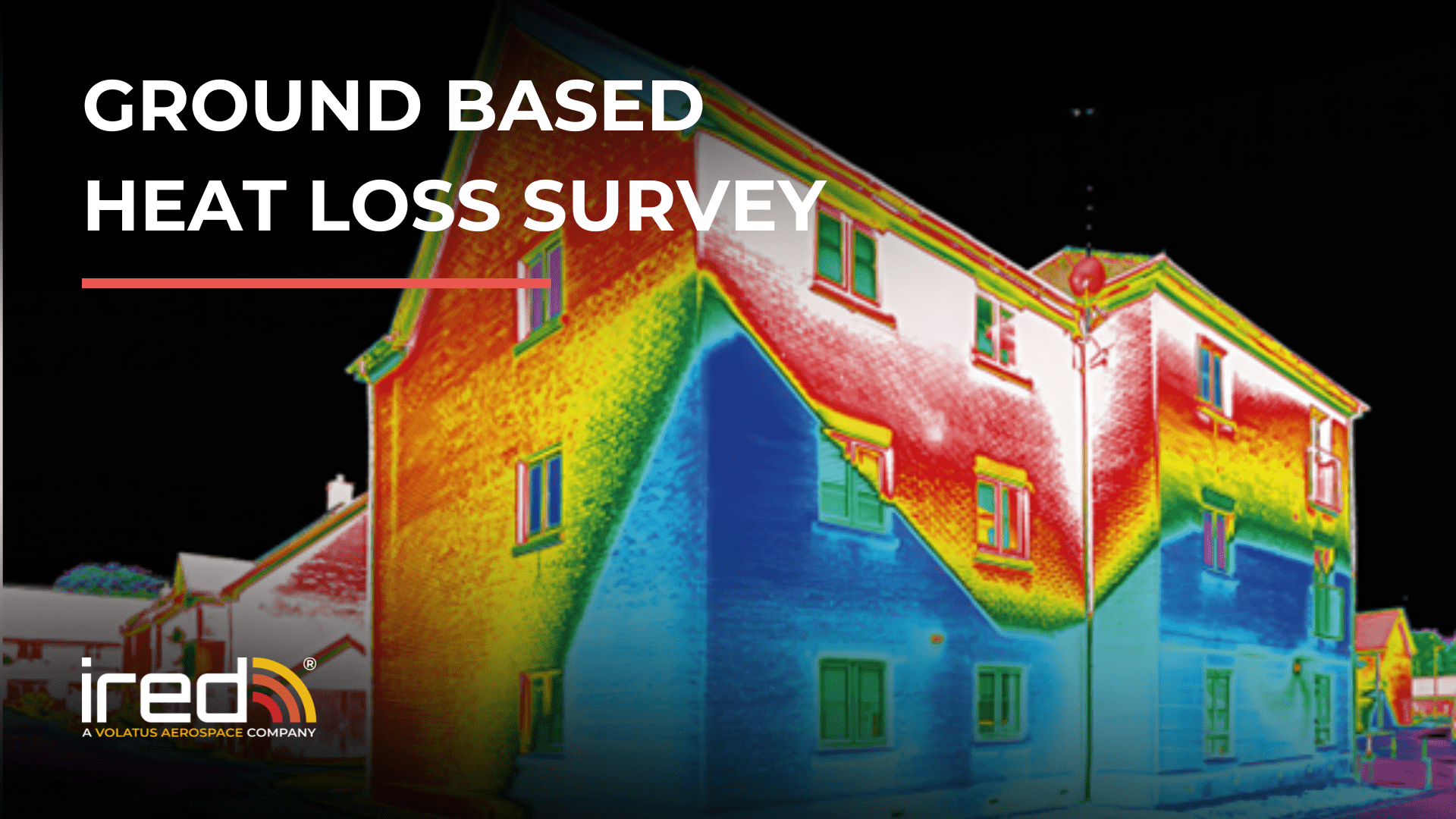
Ground-based thermal imaging is one of the most effective ways to diagnose heat loss, insulation failure, air leakage and moisture issues in UK buildings. Unlike drone inspections, a ground-based survey allows the thermographer to work inside and outside the property, providing a complete picture of the building’s thermal behaviour.
Infrared thermography detects long-wave radiation in the 8–14 μm range, converting surface temperatures into clear thermal patterns. When conducted under correct environmental conditions, it reveals the building’s ability to separate heat flow, identify insulation performance, and highlight areas affected by moisture.
Environmental Conditions
Accurate thermography requires strict environmental control:
- External surfaces free from solar gain for ≥1 hour
- ≥10°C temperature difference between inside and outside
- Dry surfaces and no recent rainfall
- Low wind speed (<5 m/s)
- Stable internal heating for several hours
These parameters ensure thermal patterns represent real heat loss, not environmental interference.

Survey Methodology
The survey was completed in two phases: an external thermographic assessment followed by a detailed internal thermal inspection.
External findings included insulation gaps, thermal bridging, air leakage pathways and moisture‑related cooling patterns. Internal thermography provided surface temperature mapping, condensation risk analysis and air‑movement diagnostics.
Key Findings
- Insulation gaps visible as irregular cold patches
- Thermal bridging through lintels, floor slabs and corners
- Air leakage at windows, doors and service penetrations
- Damp‑related cooling at wall bases and corners
- Cold internal surfaces with condensation or mould risk

Recommendations
- Improve or replace insulation in identified areas
- Reseal or upgrade window and door units
- Investigate and remediate moisture sources
- Install thermal breaks or insulated linings
- Adjust ventilation strategy to maintain healthy humidity levels
Budget & Data-Driven Decision Making
In an era of rising energy costs, reviewing factual data from thermographic surveys is essential for determining exactly where budgets should be directed. By quantifying real areas of heat loss rather than relying on assumptions, these assessments ensure that any investment—whether in insulation, sealing, or moisture remediation—delivers maximum value. For organisations and homeowners working within tight budgets, this evidence-based approach prevents unnecessary spending and prioritises the improvements that will have the greatest impact on reducing heat loss and long-term running costs.
Conclusion
This combined internal and external thermal survey provides a clear understanding of the building's energy performance. By identifying insulation weaknesses, air leakage, moisture behaviour and structural bridging, the assessment offers an evidence‑based pathway to improved efficiency, reduced heating bills and enhanced building longevity.
Take Your Thermography Skills Further
iRed offers industry-recognised Ground Based Thermal Imaging Courses designed to develop professional surveying competence:
- Level 1 Training: 12–16 January
- Level 2 Training: 9–13 February
Whether you're looking to start a career in thermography or advance to more complex diagnostics, these courses provide the technical expertise needed for accurate, compliant thermal surveys.
For more information or to book your place, call 01243 370 296.